How Accountability Strengthens Student Persistence
Every January at the Washington Apple Education Foundation, something quietly important happens for our students and the community that supports them. While scholarships are often associated with the excitement of college acceptance letters and first-year awards, WAEF turns its attention to a different moment in a student’s journey: the long middle. The years after the confetti has settled, when classes get harder, budgets tighten and plans inevitably change.
This is renewal season. For the past nine years, students who have previously received WAEF scholarships are invited to renew rather than reapply, an intentional distinction that reflects our belief that access to college is only the beginning. Supporting students through to graduation requires continuity, relationships, and trust. The results speak for themselves. Year after year, WAEF’s renewal and graduation rates exceed 90 percent, consistent with years past and well above national averages.
To better understand what this season looks like in practice, we asked one of our scholarship renewal committee members to share her experience reviewing students who are already well into their college journeys.
More Than a Form, a Conversation
This year, 23 volunteer renewal committee members will be working alongside WAEF staff to support this effort. Renewal applications were due January 15, and on January 30, committee members received their materials and student assignments. Over the next two weeks, volunteers will meet one on one with their assigned students, not to review paperwork alone, but to have conversations.
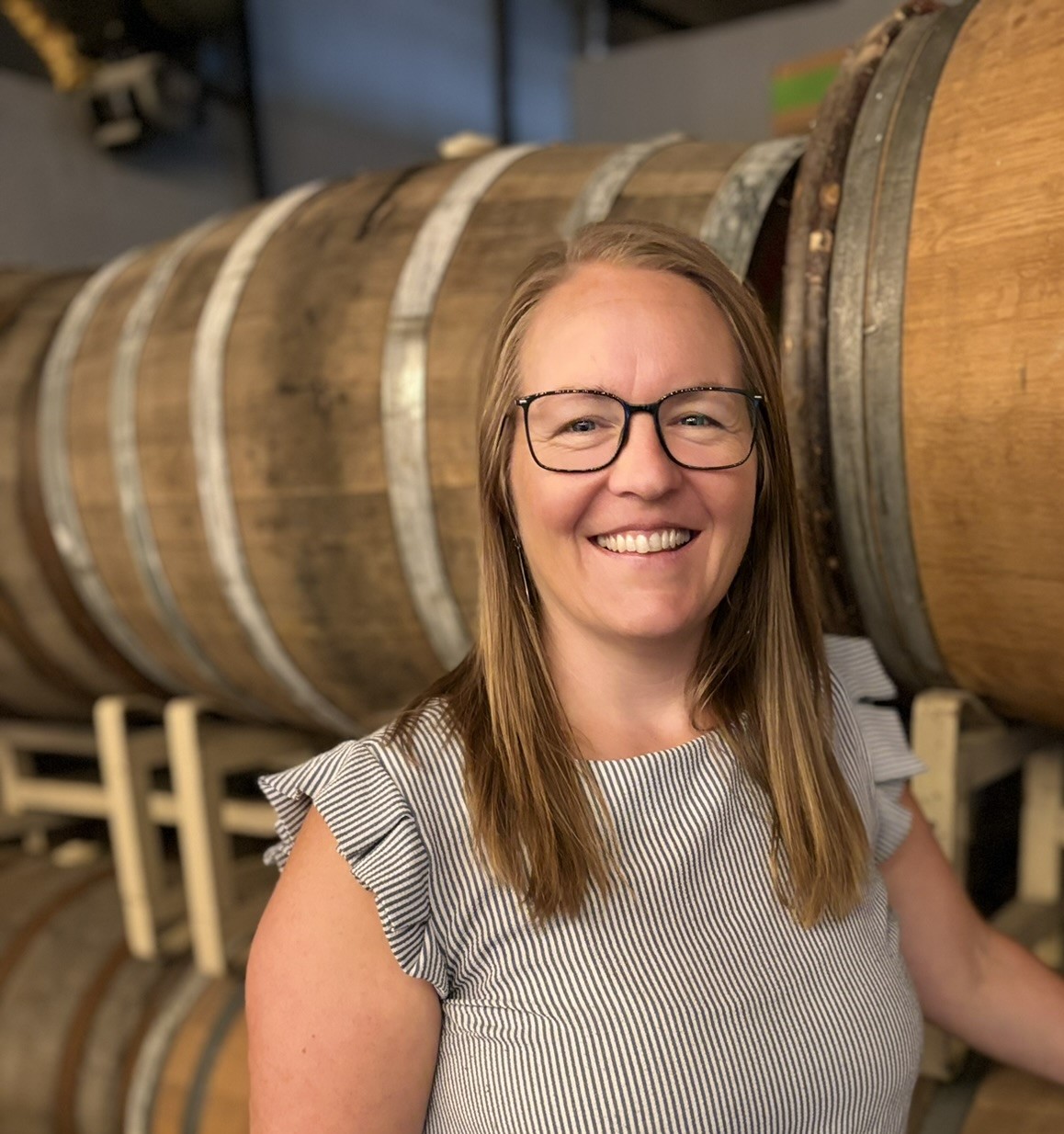
Hannah (Podlich) Poush, a former WAEF scholarship recipient and current renewal committee member, describes the difference clearly. There is so much that is hard to fit into a form, she explained. Financial aid is a puzzle with many moving pieces. A transcript tells us classes and grades, not why they were selected or how they were achieved. Phone calls allow for a fuller understanding of the student’s experience and honor both the student and the donor.
Compassion as a Design Choice
Renewal calls are designed as compassionate checkpoints that support reflection, learning, and forward momentum. Hannah readily acknowledges how intimidating financial paperwork can be, even for adults. “Forms really stink,” she said with a laugh. “And these students are still learning. This isn’t about catching mistakes. It’s about rounding out the story.”
Often, these conversations become teaching moments. Students talk through budgets, explain assumptions, and add important context about how they are covering the real and rising costs of college. Like prior years, many renewing students are working hard to avoid taking on loans, even as expenses increase. This year, we are placing greater emphasis on understanding how students are managing that reality, whether through additional work, careful spending decisions, or other tradeoffs. The process builds understanding and confidence alongside financial support, helping students develop habits and judgment they will carry long after graduation.
Care That Includes Accountability
An important part of that care is accountability. Renewal conversations are not just supportive check-ins; they create a rhythm of follow-through across academics, engagement, and planning. Students know someone from WAEF will be asking how their classes are going, whether they are attending and staying on track, how their budget held up, and whether their path toward graduation and future career still makes sense.
As Hannah noted, being seen and supported also means being held to what you said you wanted to achieve. Accountability, in this context, is not about compliance or pressure on students. It is about partnership. It reinforces that the investment in a student is real, thoughtful, and ongoing, and that their academic progress, persistence, and long-term goals are taken seriously.
Redefining Progress
When volunteers evaluate renewal applications, progress does not mean rigid adherence to a plan written at age eighteen. College rarely unfolds exactly as imagined. Hannah looks instead for intentional movement. “Of course their goals change,” she explained. “The question is whether those changes are thoughtful. Are they adjusting with guidance and reflection, or just reacting because things feel overwhelming?”
This distinction allows us to support students through change rather than penalize them for it. Forward momentum matters more than a perfectly linear path.
Why Renewals Matter
Hannah recalls how quickly attention can fade after students leave high school. “There’s a huge push to get kids to college, and then suddenly there’s a new group everyone is excited about,” she said. Renewals exist because WAEF recognized early on that students need continued engagement to turn initial opportunity into lasting outcomes.
In this model, scholarships are not transactions. They are long-term investments in people and their goals. Renewal season creates intentional opportunities for WAEF to stay connected to students as they refine academic plans, navigate challenges, and think more clearly about their paths to graduation and future careers. These conversations help ensure students are not only receiving support, but actively moving toward the goals they set for themselves.
Volunteers play a critical role in making this possible. One-on-one conversations with a volunteer who has chosen to give their time send a powerful message to students: that they matter, that their progress is worth attention, and that a broader community is invested in their success. These relationships add depth and meaning to the renewal process in ways that cannot be replicated through paperwork alone. With a small staff, we simply do not have the capacity to engage students at this level on our own. Volunteers extend our reach, strengthen our relationships, and make it possible for renewal season to be both personal and impactful.
Stewardship on Both Sides
Behind the scenes, renewal season is a careful balance of empathy and stewardship. Volunteers consider students’ lived realities while honoring the responsibility they hold to donors. Hannah frames it simply. “I ask myself, if these were my dollars, would I feel they were being stewarded thoughtfully and intentionally?”
More often than not, when students struggle, it is not for lack of commitment. They are navigating systems they are still learning to understand. Renewal conversations allow us to respond with guidance rather than judgment, aligning donor intent with student growth.
A Network of Belief
What stays with Hannah most is the sense of shared belief. Students know someone has invested in them, not just financially, but personally. That knowledge strengthens persistence as much as dollars do.
For donors and community members, renewal season may be largely invisible. Yet it is one of the most personal and values-driven processes we carry out at WAEF. It reflects what the organization says it stands for: care for students, respect for donors, and a belief that people succeed best when they are supported through the full arc of their journey.
As renewal decisions are finalized, WAEF will soon turn its attention to new applicants, whose scholarship applications are due March 2. For now, the focus remains on students already in motion. The ones navigating the long middle. And the ones who remind us that staying with students is how outcomes are truly changed.
Our thanks to Hannah Poush for her assistance with this story and her work with WAEF students. Bio: Hannah Poush is a catalyst and encourager for leaders and organizations, cultivating courage in people and places so that courageous action, deep connection, and meaningful progress can thrive.